
If you have aching feet or discomfort when walking, you may be wondering whether shop-bought insoles will help or whether you need custom orthotics.
The right choice depends on your symptoms, foot shape, footwear and the purpose of the support. A ready-made insole may be suitable for some people, while others need a device designed around a particular clinical requirement. Custom-made does not automatically mean better for everyone.
At Paul Miller Podiatry, we offer foot assessments, gait analysis and custom foot orthotics at our Strood and Sidcup clinics. Here, we explain the differences and what to consider before choosing.

What Are Shop-Bought Insoles?
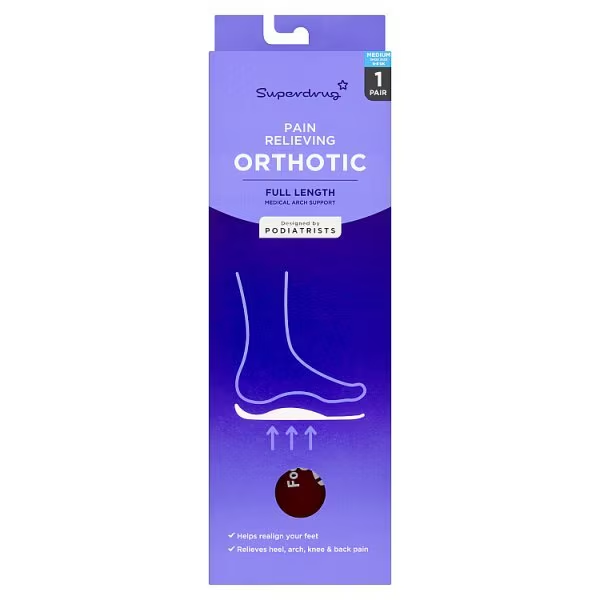
Shop-bought insoles are ready-made inserts available from pharmacies, sports shops and online retailers. They come in standard sizes and shapes, with options ranging from soft cushioning to firmer arch supports.
Some are designed mainly to make shoes more comfortable. Others have a shaped structure intended to support the foot or redistribute pressure.
There is also a distinction between a basic retail insole and a prefabricated orthotic selected by a clinician. Both are ready-made, but a clinician may choose or adapt a device for a specific purpose.
What Are Custom Orthotics?
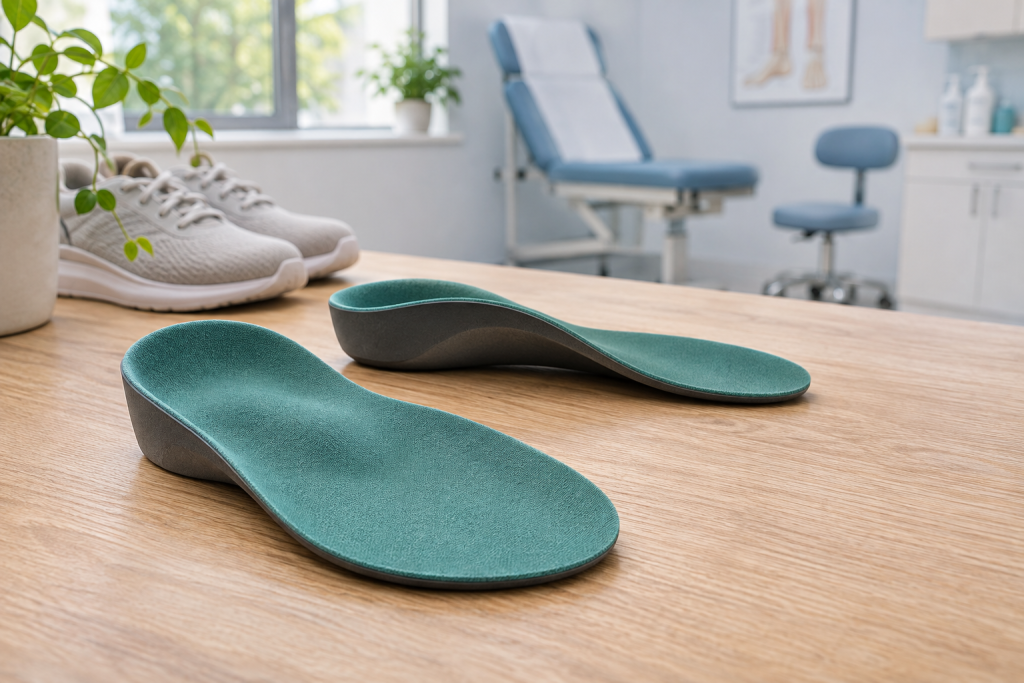
Custom foot orthotics are shoe inserts manufactured for an individual following a clinical assessment. Their shape, materials and prescription reflect the intended treatment goal.
Depending on the manufacturing process, measurements, impressions, casts or scans may be used. Custom devices may be considered when standard options cannot accommodate the foot adequately or provide the function required.
Dorset County Hospital’s orthotics guidance explains that bespoke and stock devices meet different needs, with suitability determined through assessment.
You can learn more about our approach on our custom foot orthotics page.
Custom Orthotics vs Shop-Bought Insoles: Key Differences
| Feature | Shop-bought insoles | Custom orthotics |
|---|---|---|
| Fit | Standard shapes and sizes | Made for an individual |
| Selection | Usually chosen by the customer | Prescribed following clinical assessment |
| Design | Set cushioning or support features | Materials and features selected for a specific need |
| Availability | Usually available immediately | Require manufacturing time |
| Cost | Generally lower upfront cost | Generally higher due to assessment and manufacture |
| Review | Retail purchases may offer limited clinical support | Fitting, review and adjustments should be discussed with the provider |
Neither option guarantees relief. The aim is to choose support that suits the problem and works comfortably with your footwear.
When Might Shop-Bought Insoles Be Suitable?
A ready-made insole may be worth considering when the goal is straightforward cushioning or when a standard support meets your assessed needs.
For example, soft inserts may improve comfort for some people, while a prefabricated orthotic may provide suitable support without bespoke manufacture.
Dorset HealthCare’s advice on off-the-shelf orthotics discusses cushioning and arch-support options, alongside the importance of suitable footwear and professional advice.
If you are unsure what you need, an assessment can help you avoid repeatedly buying inserts that do not address your concern.
When Might Custom Orthotics Be Considered?
A clinician may consider custom orthotics where:
- Your foot shape is difficult to accommodate in a standard device.
- A particular area needs carefully targeted pressure relief.
- The required support cannot be achieved with an appropriate prefabricated option.
Previous disappointment with shop-bought insoles is useful information, but it does not automatically mean you need custom orthotics. The original device may have been unsuitable, your shoes may be affecting its fit, or your symptoms may need a different approach.
The next step is to understand the problem before choosing another product.

What Can Insoles and Orthotics Help With?
Insoles may be used to cushion the foot, redistribute pressure or reduce strain as part of a treatment plan.
Broadly, devices may provide functional support or accommodate areas that need cushioning and pressure relief. A podiatrist can explain which purpose is relevant to your symptoms.
Orthotics are often used alongside other care, such as exercises, activity changes and footwear advice. They do not replace the need to assess persistent pain. Guy’s and St Thomas’ NHS guidance on foot insoles explains these roles and the importance of an individual care plan.
For ongoing discomfort around the heel, visit our heel pain assessment page.
How Does a Podiatrist Decide What You Need?
An assessment considers more than the height of your arches or the appearance of your feet.
At your appointment, we can discuss:
- Where you feel discomfort and how long it has been present.
- Whether symptoms change with different shoes or activities.
- Your work, exercise and daily walking demands.
- Your medical history and any previous treatment.
- Insoles or orthotics you have already tried.
A gait analysis assessment may also be appropriate to examine how you walk and help inform recommendations.
Bring your usual footwear and any existing inserts to the appointment. This helps us consider how your support works in practice.
Will Orthotics Fit in All My Shoes?
Footwear is an important part of getting the fit right. Even an appropriately prescribed orthotic needs enough room inside the shoe.
Supportive shoes with secure fastenings and removable insoles are often useful. Narrow or shallow shoes may not accommodate an insert comfortably.
Before buying new footwear, check what your prescribed device requires. Avoid squeezing an orthotic into a shoe if it makes your toes cramped or causes rubbing.
Painful Soles of Feet: Causes, Treatments & Local Help in Kent, Medway, Strood & Sidcup
Should New Insoles Feel Uncomfortable?
New support can take time to get used to, so follow the wearing-in instructions supplied by your clinician or manufacturer.
For prescribed orthotics, build up use as advised rather than immediately wearing them for a full day or strenuous exercise. If they cause pain, redness or rubbing, stop wearing them and arrange a review.
Kent Community Health NHS Foundation Trust’s orthotic instructions provide further guidance on footwear, gradual use and when to seek adjustments.
Your Ultimate Guide to Foot Pain Relief in Kent – Symptoms, Causes & When to See a Podiatrist
When Should You Get Foot Pain Assessed?
Arrange an assessment if pain keeps returning, becomes worse or affects your normal activities. Avoid relying on repeated insole purchases to manage symptoms you do not understand.
The NHS advises seeking GP advice for persistent or worsening pain in the bottom of the foot, including pain that has not improved after two weeks of home care. It also advises medical review for tingling, weakness, loss of sensation, or foot pain in someone with diabetes.
Frequently Asked Questions
Are custom orthotics worth the money?
They may be worthwhile when their prescription addresses a need that a suitable standard device cannot meet. Ask what the device is intended to do, why it is recommended and what fitting or follow-up is included.
Do I automatically need orthotics if I have flat feet or high arches?
Foot shape alone is not enough to decide which product you need. Your symptoms, function and treatment goals should guide the recommendation.
Should I buy insoles before booking an appointment?
You do not need to buy anything first. If you already have insoles, bring them and the shoes you use them in so we can discuss your experience.
How much do custom orthotics cost?
Check our current pricing information or contact the clinic. Ask whether assessment, fitting, reviews and any adjustments are included in the quoted fee.
Foot Assessments and Custom Orthotics in Strood and Sidcup
If you are unsure whether you need custom orthotics or shop-bought insoles, Paul Miller Podiatry can assess your concerns and explain suitable options.
Our Strood clinic welcomes patients from Rochester and across Medway, and we also provide appointments at our Sidcup clinic.
Contact us to arrange an assessment, or call:
- Strood: 01634 294 884
- Sidcup: 0203 336 1512