
Heel pain is one of the most common complaints among runners — whether you’re training for a marathon or just jogging for fitness. The heel absorbs significant impact with every stride, and small biomechanical issues or overuse can quickly lead to discomfort or injury.
At Paul Miller Podiatry, we regularly help runners across Medway and Sidcup recover from heel pain and prevent it from returning. Understanding what’s causing your pain is the first step to getting back on track.

Common Causes of Heel Pain After Running
1. Plantar Fasciitis
This is the most common cause of heel pain in runners. It occurs when the thick band of tissue that runs along the bottom of your foot (the plantar fascia) becomes irritated or inflamed.
Symptoms include:
- Sharp pain in the heel, especially with your first steps in the morning
- Pain that eases during activity but worsens afterward
Contributing factors: flat feet, tight calf muscles, sudden increase in mileage, or old running shoes.
Read more information about Plantar Fasciitis from our blog: Understanding and Managing Plantar Fasciitis: Tips for Relief.
2. Achilles Tendinopathy
Your Achilles tendon connects your calf muscles to your heel bone. Overuse, hill running, or tight calves can cause tiny tears and inflammation in this tendon.
You might notice:
- Stiffness or pain in the back of your heel
- Pain that worsens during or after a run
- Swelling or tenderness just above the heel
If left untreated, Achilles issues can worsen, so early assessment is key. Read more about this topic here. Get in touch with us today if you need help with your Achilles

3. Heel Bursitis
Heel bursitis — sometimes called retrocalcaneal bursitis — is a painful condition caused by inflammation of the bursa, a small fluid-filled sac located between your heel bone (calcaneus) and your Achilles tendon.
The bursa acts as a cushion to reduce friction where the tendon glides over the bone. When this area becomes irritated or compressed, it swells and causes pain at the back of the heel.
Common Causes
Heel bursitis often develops gradually due to:
- Overuse from running or jumping, especially uphill or on hard surfaces
- Poor-fitting shoes that rub or press against the back of the heel
- Tight calf muscles, which increase tension on the Achilles tendon
- Sudden increase in training intensity or mileage
- Biomechanical issues, such as over-pronation (rolling the foot inward)
- Previous Achilles injuries, which can change the way pressure is distributed
In some cases, bursitis can occur alongside Achilles tendinopathy, as both involve irritation in the same area.
Typical Symptoms
- A dull ache or tenderness at the back of the heel, especially when walking or running
- Swelling, warmth, and redness around the heel
- Pain when squeezing the sides of the heel or wearing shoes that press on the area
- Stiffness in the ankle joint, particularly after rest
- Pain that worsens when you go up on your toes or climb stairs
Pain from bursitis is often felt slightly above where plantar fasciitis pain occurs (which is usually on the bottom of the heel).
Home Care & Self-Management
If your heel bursitis is mild, you can try:
- Rest and ice: Apply ice for 15–20 minutes several times per day to reduce inflammation.
- Avoiding aggravating footwear: Switch to shoes with soft heel padding or open backs to reduce pressure.
- Heel lifts or gel cushions: These can relieve pressure on the Achilles and bursa.
- Gentle stretching: Calf stretches help improve flexibility and reduce tension on the heel.
- Anti-inflammatory medication: If advised by a healthcare professional, this can help reduce pain and swelling.
Avoid running or high-impact exercise until pain improves.
Professional Podiatry Treatments
At Paul Miller Podiatry, we often see heel bursitis in active patients and runners. Professional treatment may include:
- Biomechanical assessment and gait analysis to identify and correct causes of friction or over-pronation.
- Custom orthotics to support proper alignment and offload pressure from the heel.
- Ultrasound therapy or shockwave therapy (if available) to promote healing and reduce inflammation.
- Padding or heel cups to protect the area during recovery.
- Footwear advice and training adjustments to prevent recurrence.
- Referral for imaging if a more serious issue (like a bone spur or tendon damage) is suspected.
In persistent or severe cases, your podiatrist may refer you for corticosteroid injections or specialist physiotherapy.
Recovery & Prevention
With early diagnosis and proper management, heel bursitis usually improves within a few weeks.
To prevent it from returning:
Address gait or posture issues early with a professional podiatry assessment
Warm up properly before exercise
Replace worn-out running shoes regularly
Stretch your calves and Achilles tendon daily
Alternate training surfaces (avoid constant running on concrete)
Read more about heal pain here.
4. Stress Fracture or Bruised Heel Bone
If your heel pain feels deep and doesn’t improve with rest, it could be a stress fracture or a bruised heel bone (calcaneal contusion). These injuries happen when repeated impact from running overloads the heel bone, causing tiny cracks or internal bruising.
Common Symptoms
- Persistent, deep ache in the heel that worsens with activity
- Pain when pressing on the heel bone
- Swelling or tenderness around the heel
- Discomfort even at rest in more severe cases
Unlike plantar fasciitis, this pain doesn’t ease as you move — it often intensifies the longer you’re on your feet.
Treatment & Recovery
Stop running immediately and rest the foot. Apply ice, wear cushioned shoes, and avoid hard surfaces. If pain continues for more than a few days, it’s important to get checked — imaging such as an X-ray or MRI may be needed to confirm the diagnosis.
At Paul Miller Podiatry, we can assess your heel pain, recommend supportive orthotics, and create a safe recovery plan. Most patients heal within 4–8 weeks with proper rest and footwear adjustments.
📍If your heel pain isn’t improving, book an appointment at our Strood or Sidcup clinics — early assessment prevents small injuries from becoming serious problems.
5. Poor Footwear or Gait Mechanics
Running shoes with worn soles, poor support, or not suited to your gait can quickly lead to heel and arch pain.
At our Sidcup and Strood clinics, we often perform gait analysis to identify imbalances or over-pronation that may contribute to heel pain.
Home Remedies & Self-Care Tips
If your heel pain is mild, try these first-line treatments:
- Rest & reduce mileage – Avoid running until pain subsides.
- Ice therapy – 15 minutes after running helps reduce inflammation.
- Stretching & strengthening – Focus on calves and plantar fascia (using a towel stretch or rolling a frozen bottle under your foot).
- Footwear check – Replace worn trainers and ensure proper arch support.
- Orthotic insoles – Over-the-counter or custom ones can reduce stress on your heel.
If pain persists beyond 7-10 days, professional assessment is recommended.
Professional Podiatry Treatments for Heel Pain
At Paul Miller Podiatry, we provide targeted treatments depending on the cause:
- Gait analysis to identify biomechanical issues
- Custom orthotics to improve alignment and reduce heel pressure
- Shockwave therapy (if applicable) for stubborn plantar fasciitis or Achilles injuries
- Strapping or taping to support the arch
- Rehabilitation advice and training load management
- Referral for imaging (if a stress fracture is suspected)
Our goal is to get you back to pain-free running — and help prevent the problem returning. Get in touch now.
When to See a Podiatrist
You should book an appointment if:
- Heel pain lasts longer than 7-10 days
- The pain is severe or getting worse
- You feel a lump, swelling, or redness
- Pain interferes with walking or daily activities
Ignoring persistent heel pain can lead to long-term issues, so don’t delay professional help.
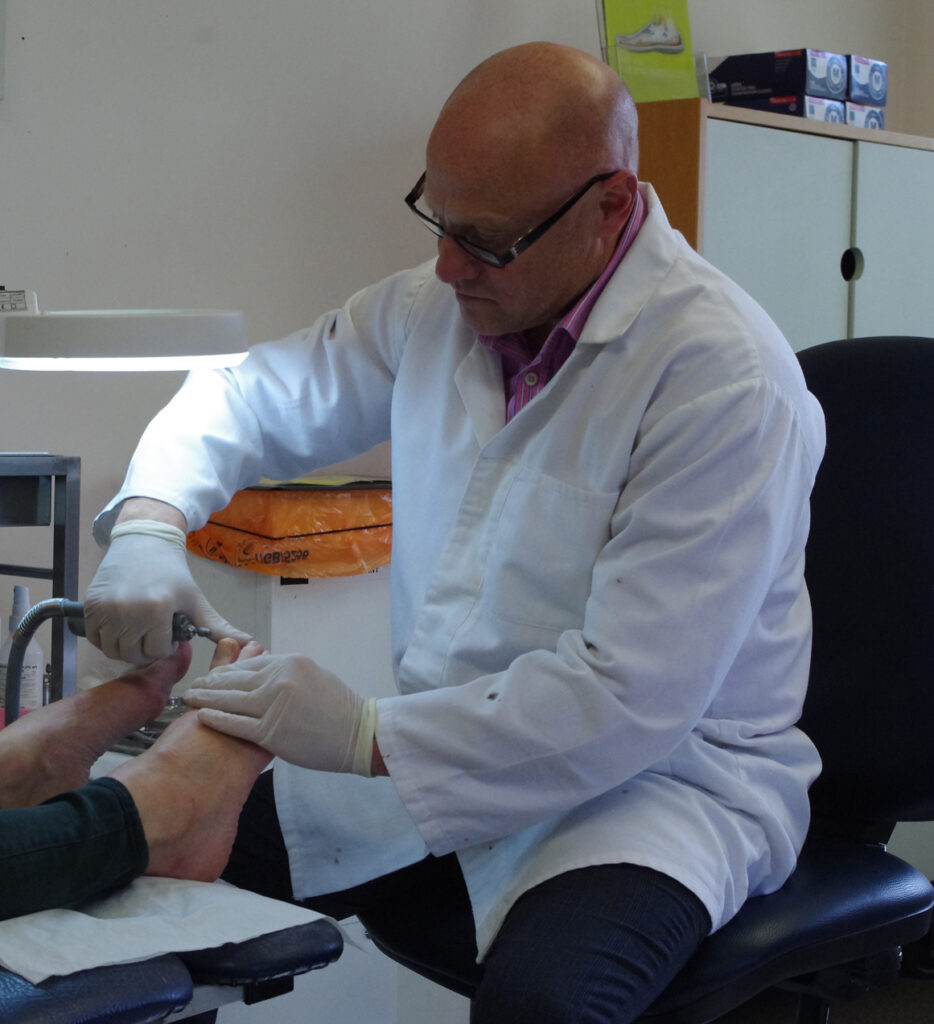
Conclusion: Get Back on Your Feet with Expert Help
Running shouldn’t hurt — and with the right diagnosis and treatment, heel pain can be resolved quickly and safely.
If you’re experiencing heel pain after running, visit Paul Miller Podiatry in Strood or Sidcup. Our expert team can assess your foot mechanics, identify the cause, and tailor a treatment plan to get you back to doing what you love.
Book your appointment today or visit our Contact Page to schedule your consultation.