
An ingrown toenail can be incredibly painful, making it difficult to walk, wear shoes, or go about your daily routine.
If you’re dealing with an ingrown toenail, the good news is that there are effective ways to treat it, both at home and with professional care.
In this guide, we’ll explain how to get rid of an ingrown toenail, what causes it, and when you should seek help from a podiatrist in Kent, Medway, Strood or Sidcup. If you are having issues with your feet please get in touch with Paul Miller today, click here.
Who is Paul Miller?
After graduating from the University of Westminster in 1995 with an honours degree in Podiatric Medicine, Paul spent a number of years gaining invaluable experience working as a Senior Podiatrist within the NHS, taking a keen interest in Lower Limb Biomechanics and Diabetic Foot Care.
It has been Paul’s privilege to work with professional sports clubs and international dance companies and he is consulted by dancers and performers on the West End stage. Working as an associate at several prestigious podiatry practices in Central London, Paul went on to form his own practice at Harrods where he continued his development in this demanding environment.
Paul now brings this wealth of experience to deliver his friendly, caring and diligent approach at his clinics in Sidcup and Rochester.

What Is an Ingrown Toenail?
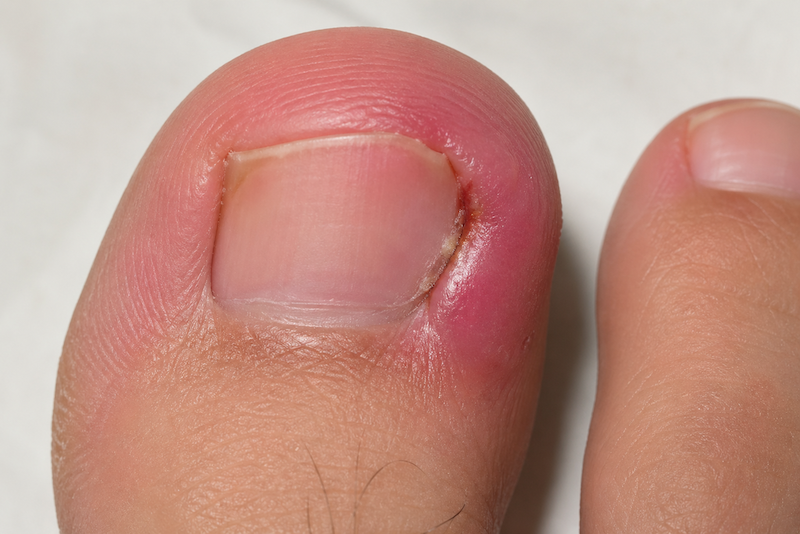
An ingrown toenail occurs when the edge of the nail grows into the surrounding skin instead of over it.
This most commonly affects the big toe and can lead to:
- Pain and tenderness
- Redness and swelling
- Infection (in more severe cases)
What Causes Ingrown Toenails?
Understanding the cause can help prevent it from coming back.
Common causes include:
- Cutting toenails too short or at an angle
- Wearing tight or narrow shoes
- Injury to the toe
- Naturally curved or thick nails
- Poor foot hygiene
Many patients across Kent and Medway develop ingrown toenails due to improper nail cutting or tight footwear.
How to Get Rid of an Ingrown Toenail at Home
If the ingrown toenail is mild and not infected, you may be able to treat it yourself.
Try these steps:
- Soak your foot in warm salt water for 15–20 minutes, 2–3 times daily
- Gently lift the edge of the nail with clean cotton or dental floss
- Keep the area clean and dry
- Wear open-toed or comfortable shoes
- Avoid cutting the nail further
Important: Do not attempt to cut deep into the nail or skin — this can make the problem worse.
Signs Your Ingrown Toenail Is Infected
You should not ignore signs of infection.
Watch out for:
- Increasing pain
- Pus or discharge
- Severe redness or swelling
- Warmth around the toe
If you notice any of these symptoms, it’s best to seek professional treatment.
Professional Treatment for Ingrown Toenails
If home treatments don’t work, a podiatrist can safely and effectively remove the ingrown section of the nail.
Treatment options may include:
- Safe removal of the ingrown nail edge
- Local anaesthetic for pain-free treatment
- Nail surgery for recurring cases
- Advice to prevent future problems
Patients in Strood, Sidcup, Medway and across Kent often find relief quickly after professional treatment.
When to See a Podiatrist in Kent, Medway, Strood or Sidcup
You should book an appointment if:
- The pain is severe or worsening
- The toe is infected
- The problem keeps coming back
- You have diabetes or poor circulation
Early treatment can prevent complications and speed up recovery.
You can find Paul Miller here – Hobourn House Priory Road Strood Rochester Kent ME2 2BD. Click here to contact.
How to Prevent Ingrown Toenails
Preventing ingrown toenails is simple with the right habits.
Tips to avoid them:
- Cut nails straight across (not rounded)
- Avoid cutting nails too short
- Wear properly fitting shoes
- Keep feet clean and dry
- Avoid picking or tearing nails
Get Expert Help for Ingrown Toenails Near You
If you’re struggling with an ingrown toenail in Kent, Medway, Strood or Sidcup, professional treatment can relieve pain quickly and safely.
At Paul Miller Podiatry, we offer expert care and long-term solutions to prevent the problem returning.
Book your appointment today and get back to walking comfortably.
Frequently Asked Questions About Ingrown Toenails
Can an ingrown toenail heal on its own?
Mild cases can improve with proper care, but persistent or painful cases usually need treatment.
What is the fastest way to get rid of an ingrown toenail?
Professional removal by a podiatrist is the quickest and safest solution.
Is it safe to cut out an ingrown toenail yourself?
No — this can worsen the condition and lead to infection.
How long does an ingrown toenail take to heal?
With proper treatment, mild cases can improve in a few days, while more severe cases may take a few weeks.